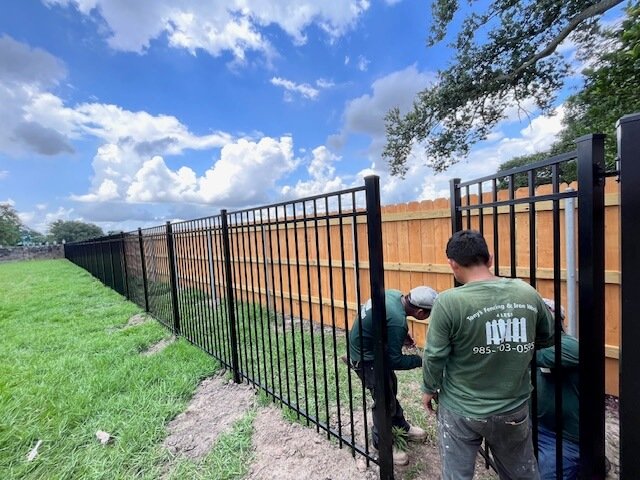
Common Fence Layout Mistakes Homeowners Make Before Installation
Common fence layout mistakes homeowners make before installation often begin well before construction starts. In St. Tammany Parish, where property lines, drainage patterns, and local regulations vary by neighborhood, layout decisions play a major role in how well a fence performs over time.
Many fencing issues are not caused by poor materials or workmanship. Instead, they result from rushed planning or assumptions made during the layout phase. Taking the time to understand these common mistakes can help homeowners avoid unnecessary costs, delays, and long-term problems.
Assuming Property Lines Are Obvious
One of the most frequent layout mistakes is assuming property lines are clearly marked. In St. Tammany Parish, older subdivisions, rural properties, and shared boundary areas often have unclear or outdated markers. Relying on existing fences, tree lines, or neighbor input can easily lead to errors.
Installing a fence even slightly over a property line can result in disputes, forced removal, or legal complications. Verifying boundaries before finalizing a layout helps protect both the homeowner and the investment.
Not Planning Gate Locations Early
Fence layout planning often focuses on the perimeter while overlooking gate placement. Gates that are added as an afterthought may end up in inconvenient locations that disrupt daily use of the property.
Poorly placed gates can interfere with driveways, walkways, trash access, or lawn equipment. In St. Tammany Parish homes with larger lots or detached structures, thoughtful gate placement is especially important for functionality and flow.
Ignoring Yard Slope and Elevation Changes
Many properties in St. Tammany Parish include gentle slopes, drainage ditches, or uneven terrain. Fence layouts that do not account for elevation changes can lead to uneven fence lines, gaps beneath panels, or added stress on posts.
Proper layout planning considers whether sections need to be stepped or adjusted to match the land. Addressing slope early prevents visual and structural issues after installation.
Overlooking Drainage and Water Movement
Drainage is a critical factor in fence layout, particularly in Southeast Louisiana. Heavy rainfall and saturated soil are common, and fences placed across natural drainage paths can trap water, cause erosion, or weaken posts over time.
A well-planned layout allows water to move naturally across the property. This protects the fence structure and helps prevent premature damage caused by shifting or waterlogged soil.
Placing the Fence Too Close to Structures or Utilities
Another common mistake is placing a fence too close to homes, sheds, air conditioning units, or utility features. While the fence may fit visually, tight spacing can make future maintenance difficult.
In some cases, fences placed too close to trees may also be affected by root growth or falling limbs. Leaving adequate space during layout planning helps prevent accessibility issues and future repairs.
Blocking Visibility and Sightlines
Fence placement affects more than privacy. Poor layout decisions can block visibility near driveways, corners, or roadways, creating safety concerns.
This is especially important for corner lots or properties near busy streets in St. Tammany Parish. A properly planned layout balances privacy with clear sightlines to maintain safety and compliance.
Not Checking Local Rules and Setbacks
Fence placement is often subject to local ordinances, setback requirements, or neighborhood guidelines. Many homeowners are unaware of these rules until a project is delayed or needs adjustment.
Homeowners in St. Tammany Parish can review general zoning and planning information through the parish government website at https://www.sttammany.gov to better understand local requirements before finalizing a fence layout. (External Link)
Why Professional Layout Planning Matters
Fence layout involves more than marking a boundary. It requires understanding property lines, terrain, drainage, access points, and long-term use of the space. Mistakes made at this stage are often the most expensive to correct later.
Working with experienced professionals helps ensure the fence fits the property naturally and functions properly from day one.
Frequently Asked Questions About Fence Layout Planning
Why is fence layout more important than fence material?
Even high-quality materials can fail if the fence is poorly laid out. Layout affects drainage, post stability, access, and long-term durability.
Do I need a survey before installing a fence in St. Tammany Parish?
While not always required, a survey is strongly recommended to avoid property line disputes and placement issues.
How far should a fence be from my house or structures?
Spacing depends on the structure and local guidelines, but leaving room for maintenance and access is essential.
Can poor layout cause fence damage over time?
Yes. Improper layout can lead to water damage, leaning posts, uneven sections, and premature wear.
Who can help plan the best fence layout for my property?
Experienced fencing professionals can evaluate your property and recommend a layout that works with the land, not against it.
Final Thoughts
Most fencing problems do not start with installation. They start with layout decisions made too quickly or without enough information. Avoiding common fence layout mistakes before installation can save homeowners time, money, and frustration.
A well-planned fence should complement the property, function smoothly, and stand up to Louisiana’s unique conditions.
Related Tony’s Fencing & Iron Works Services
Learn more about our work here:
Residential Fence Installation: https://tonysfencingandiron.com/
Custom Ornamental Iron Work: https://tonysfencingandiron.com/custom-ornamental-iron/
Fence Repair Services: https://tonysfencingandiron.com/fence-repair/