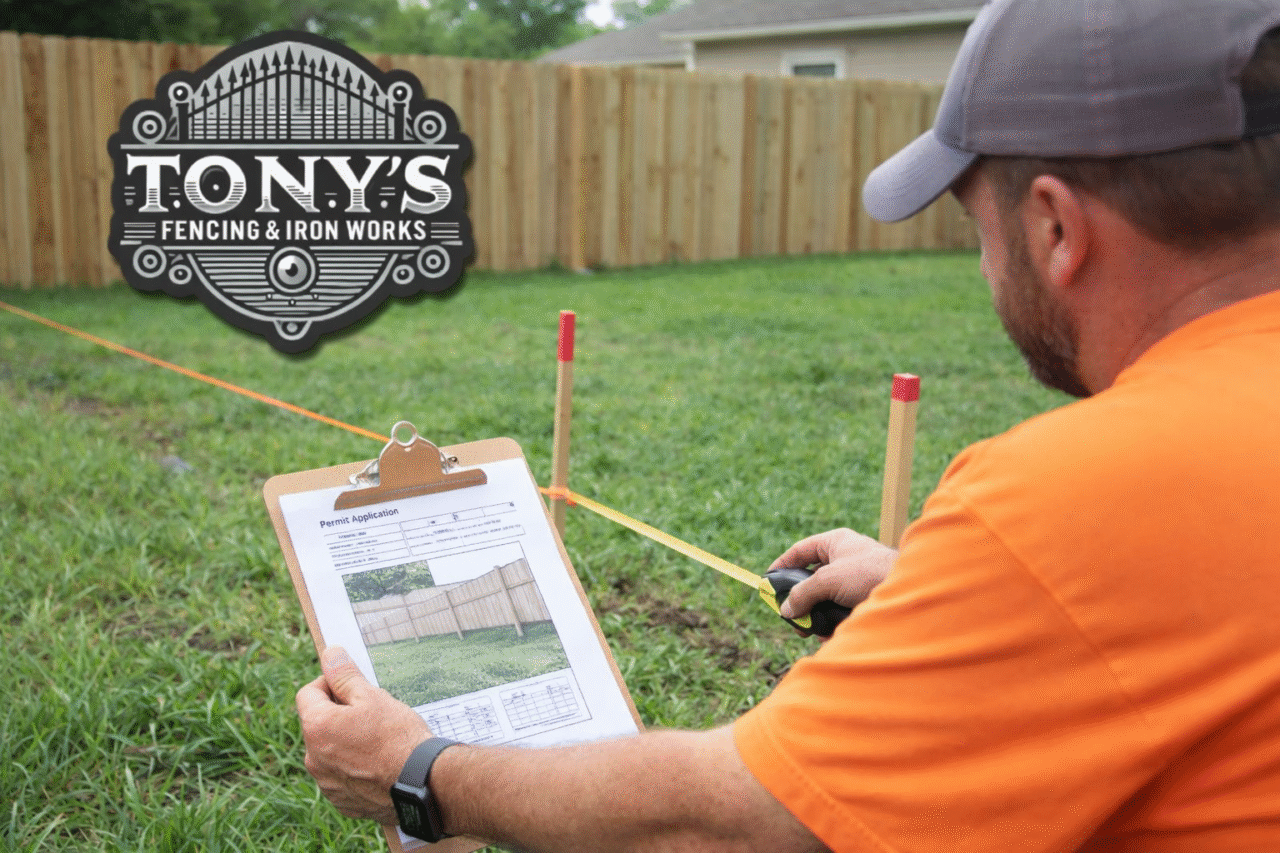
Getting a fence permit in Louisiana is one of the first things homeowners should look into before any installation begins. It’s also one of the most common questions we get: Do I need a permit for this?
The honest answer is: it depends on where you live. Louisiana doesn’t have a single statewide fence permit law. Each parish — and sometimes each municipality within that parish — sets its own rules. What requires a fence permit in St. Tammany may not be required in Tangipahoa, and what’s allowed in Covington might differ from what’s required right across the parish line in Mandeville.
Getting this wrong can be expensive — homeowners who skip permits sometimes face fines, neighbor disputes, or a parish order to tear the fence down entirely.
Why Fence Permits Exist
Permits aren’t just bureaucratic red tape. They exist to protect a few things:
Your property line. A permit application usually requires you to submit a survey or site plan, which forces the conversation about exactly where your property ends. Many fence disputes between neighbors start because someone assumed where the line was — and was wrong.
Your neighbors’ drainage. In Southeast Louisiana, water management is serious. A fence installed in the wrong location can block a drainage swale, redirect water onto a neighboring property, or violate parish flood ordinance requirements. Permits help catch this before the shovel hits the ground.
Your utility lines. Before any post goes in, Louisiana 811 (call before you dig) should be contacted. The permit process in most parishes reinforces this requirement.
Your investment. If you ever sell your home, unpermitted structures can surface during title searches or home inspections and become a negotiating problem — or a deal-breaker.
Parish-by-Parish Overview for Southeast Louisiana
St. Tammany Parish
St. Tammany Parish generally requires a permit for fence construction. The specifics depend on your municipality:
- Covington requires a building permit for most fences, especially those over 4 feet in height or located in the front yard.
- Mandeville has its own permitting office and typically requires permits for fences exceeding certain heights. Front yard fences face stricter scrutiny.
- Slidell follows city code and requires permits for most residential fences. You’ll need to submit a site plan showing property lines and fence location.
- Madisonville and Abita Springs — these smaller communities may have fewer requirements, but it’s always best to check with St. Tammany Parish’s permit office directly.
Best practice: Contact the St. Tammany Parish Department of Development Services or your specific municipality’s building department before any installation.
Tangipahoa Parish
Tangipahoa Parish’s requirements are generally less stringent than St. Tammany’s, but this varies by city:
- Hammond has its own building codes and may require permits depending on fence height and location relative to the property line and road right-of-way.
- Ponchatoula — where Tony’s home base is located — has a more relaxed environment for residential fencing, though it’s still worth confirming with the city clerk or building department before starting.
- Unincorporated Tangipahoa Parish — if your property isn’t inside a city limit, parish rules apply. Fence permits in unincorporated areas are often not required for standard residential fences, but height restrictions and setback rules still apply.
Jefferson Parish
Jefferson Parish typically requires a permit for fences, particularly in residential areas. Their regulations include:
- Front yard fences are generally limited to 4 feet in height.
- Rear and side yard fences may go up to 6 feet, but the permit confirms compliance.
- Fences along corner lots face additional sightline restrictions to protect traffic visibility at intersections.
Orleans Parish (New Orleans)
New Orleans has some of the most specific fence rules in Louisiana, largely because of the city’s historic districts and dense urban layout.
- Many neighborhoods fall under Historic District Landmark Commission review, meaning fence style, material, and height may be regulated to match neighborhood character.
- Permits are generally required. Submitting without correct documentation or building without a permit can result in stop-work orders.
- HOA rules in some New Orleans neighborhoods add another layer on top of city permits.
Washington Parish and Northshore Rural Areas
In more rural areas of the Northshore — Washington Parish, Franklinton, Folsom — residential fence permits are often not required for standard wood, chain link, or farm fencing. However:
- Setback rules still apply. Your fence must respect the required distance from road right-of-way.
- Agricultural fencing is largely unregulated.
- Even without a permit requirement, calling 811 before digging is always required by law.
When a Permit Is Almost Always Required
Regardless of parish, certain situations nearly always trigger a permit requirement:
- Fences over 6 feet tall — height is the most universal trigger
- Front yard fences — visibility and road safety regulations make these more closely watched
- Fences near a pool — pool barrier codes have their own permit process (we covered this in depth in our pool fence laws post)
- Commercial or business property — almost always requires a permit
- Corner lots — sightline and traffic safety rules apply
- Properties inside city limits — cities are more likely to require permits than unincorporated areas
- HOA communities — the HOA may have its own approval process on top of any parish permit
How the Permit Process Typically Works
If your project does require a permit, the process is usually straightforward:
- Call 811 first. This is legally required before any digging in Louisiana. Utility lines will be marked at no cost, typically within 3 business days.
- Contact your local building or zoning office. Ask specifically about fence permits for your property type and zone classification.
- Submit your application. Most parishes want a site plan or plat showing where the fence will go in relation to property lines, the street, and any structures.
- Wait for approval. In most parishes, residential fence permits are issued within a few business days to two weeks. Larger projects or historic districts may take longer.
- Schedule an inspection if required. Some jurisdictions require a final inspection before or after installation is complete.
What Happens If You Skip the Permit?
We’ve seen it happen. A homeowner builds a fence, the neighbor complains, the parish investigates, and suddenly there’s a stop-work order or a demand to remove a recently completed fence. The fence gets torn out, the permit gets filed, and the fence gets rebuilt — at double the cost.
Beyond that, unpermitted structures can show up as a liability during a home sale. Title companies, buyers’ agents, and home inspectors may flag an unpermitted fence, and it can delay closing or require the seller to either get a retroactive permit or remove the structure entirely.
The permit fee is almost always a small fraction of the cost of fixing these problems later.
Tony’s Handles This For You
When you work with Tony’s Fencing & Iron Works, navigating permits is part of what we do. We know the local requirements across St. Tammany, Tangipahoa, Jefferson, and the surrounding parishes. We regularly assist homeowners with applications, site plans, and compliance checks so you don’t have to figure it out alone.
If you’re ready to start planning a fence project, reach out to us here. We’ll let you know exactly what’s required for your property before a single post goes in the ground.
Tony’s Fencing & Iron Works has been serving Southeast Louisiana for over 30 years. We install wood, vinyl, chain link, aluminum, iron, and farm fencing across St. Tammany, Tangipahoa, Jefferson, and surrounding parishes.