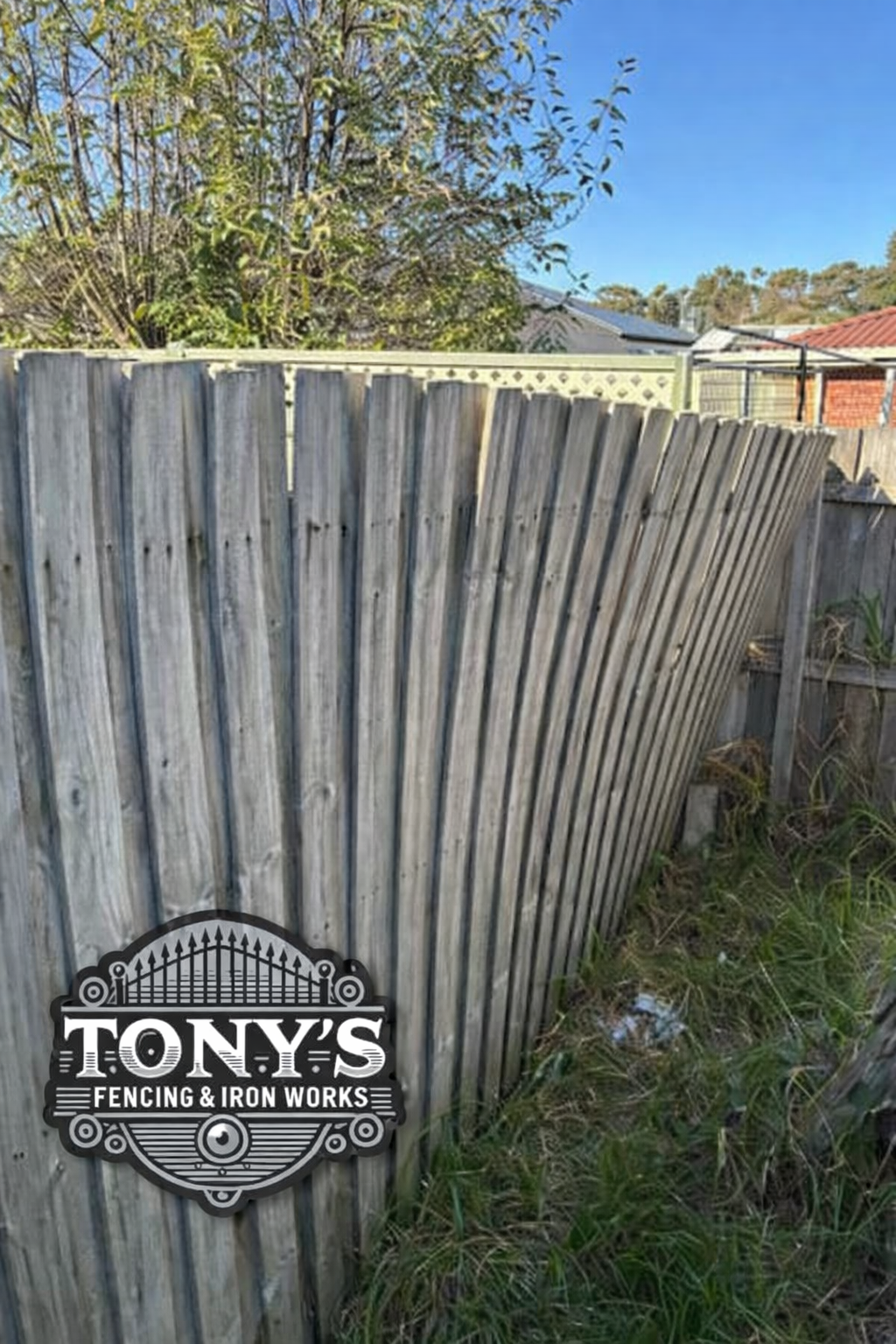
Fence corner failure is one of the most common issues homeowners face, yet it’s also one of the least understood. While straight fence runs often stay stable for years, corners tend to lean, pull apart, or collapse much sooner—especially in Southeast Louisiana. The reason has less to do with materials and more to do with how forces act on a fence once it’s installed.
Fence corners experience tension from multiple directions at once. Each straight section pulls against the corner post, creating constant pressure that doesn’t exist along a single run of fencing. Over time, that tension increases as soil shifts, wood expands and contracts, and weather conditions change. If the corner isn’t engineered to handle those forces, failure becomes inevitable.
Louisiana’s clay-heavy soil plays a major role in this process. When soil absorbs water, it expands; when it dries, it contracts. This repeated movement weakens soil stability around posts. Because corner posts carry more load than standard fence posts, even minor soil movement can cause noticeable leaning or separation at the joints. Research from the LSU AgCenter on soil behavior and moisture movement explains how expanding and contracting soils contribute to structural instability around homes and outdoor structures.
Another common cause of corner failure is insufficient post depth or inadequate reinforcement during installation. Corner posts require deeper footings and stronger bracing than straight-line posts. Without proper anchoring, the combined tension from adjoining fence sections slowly pulls the post out of alignment. This often results in sagging panels, gaps forming at the corner, or entire sections shifting after heavy rain.
Improper repairs can also accelerate corner failure. Simply replacing boards or tightening fasteners does not address the underlying structural problem. When the original installation didn’t account for tension forces, repairs tend to be temporary. This is why professional fence repair and installation in Southeast Louisiana focuses on correcting the root cause rather than masking visible damage.
Materials matter, but engineering matters more. Wood fences, ornamental iron fences, and even vinyl fencing can experience corner failure if they are not installed with proper tension management. Reinforced posts, appropriate bracing, and correct spacing all play a role in long-term stability, particularly in regions with challenging soil conditions.
At Tony’s Fencing & Iron Works, corner posts are treated as structural anchors rather than simple connection points. Proper planning during installation helps distribute tension evenly across the fence line, reducing stress on corners and extending the life of the entire fence system.
FAQs
Why do fence corners fail before straight sections?
Fence corners experience tension from multiple directions, placing more stress on corner posts than straight runs.
Can soil movement cause fence corners to lean?
Yes. Expanding and contracting clay soil weakens post stability, especially at high-stress corner points.
Do corner posts need deeper footings?
Yes. Corner posts require deeper and stronger anchoring to handle tension forces.
Can a leaning fence corner be repaired?
In some cases, yes—but only if the structural issue is addressed, not just surface damage.
Does this affect iron fences too?
Yes. Any fence type can experience corner failure if engineering is inadequate.
Contact Us
If your fence is leaning at the corners, pulling apart, or showing signs of early failure, the issue may lie beneath the surface. Tony’s Fencing & Iron Works has over 30 years of experience designing and installing fences built specifically for Southeast Louisiana’s soil and climate conditions. Whether you need repairs or a new fence installed correctly from the start, our team focuses on long-term stability and craftsmanship you can rely on.
📞 Call 985-703-0595 to schedule a consultation
📍 Proudly serving Covington and Southeast Louisiana
🌐 https://tonysfencingandiron.com/