Building a fence is an exciting way to enhance your property’s security, privacy, and curb appeal. But before you start digging post holes or setting fence panels, there’s an important step you can’t skip — obtaining a fence permit. If you live in Southeast Louisiana, understanding why your fence needs a permit and how to get one will save you time, money, and headaches down the line.
Why Do You Need a Fence Permit?
Many homeowners think installing a fence is a simple DIY project that doesn’t require approval. However, local governments in Southeast Louisiana typically require permits for several reasons:
-
Safety: Proper permits ensure your fence is built safely and complies with structural standards, protecting you and your neighbors.
-
Property Lines: Permits help verify your fence stays within your property boundaries to avoid disputes with neighbors.
-
Zoning Compliance: Different zones have rules about fence height, materials, and placement, especially near roads or wetlands common in Southeast Louisiana.
-
Flood and Environmental Regulations: In areas prone to flooding or with environmental protections, permits ensure fences don’t worsen drainage or damage protected land.
Without a permit, you risk fines, forced removal of your fence, or costly legal disputes. A permit gives you peace of mind that your fence meets local codes and won’t cause problems later.
How to Get a Fence Permit in Southeast Louisiana
Here’s a straightforward guide to obtaining a fence permit:
-
Check Local Rules: Fence regulations vary by parish and city. Start by visiting your local government website or building department to understand specific requirements, including height limits, materials allowed, and setbacks from property lines or roads.
-
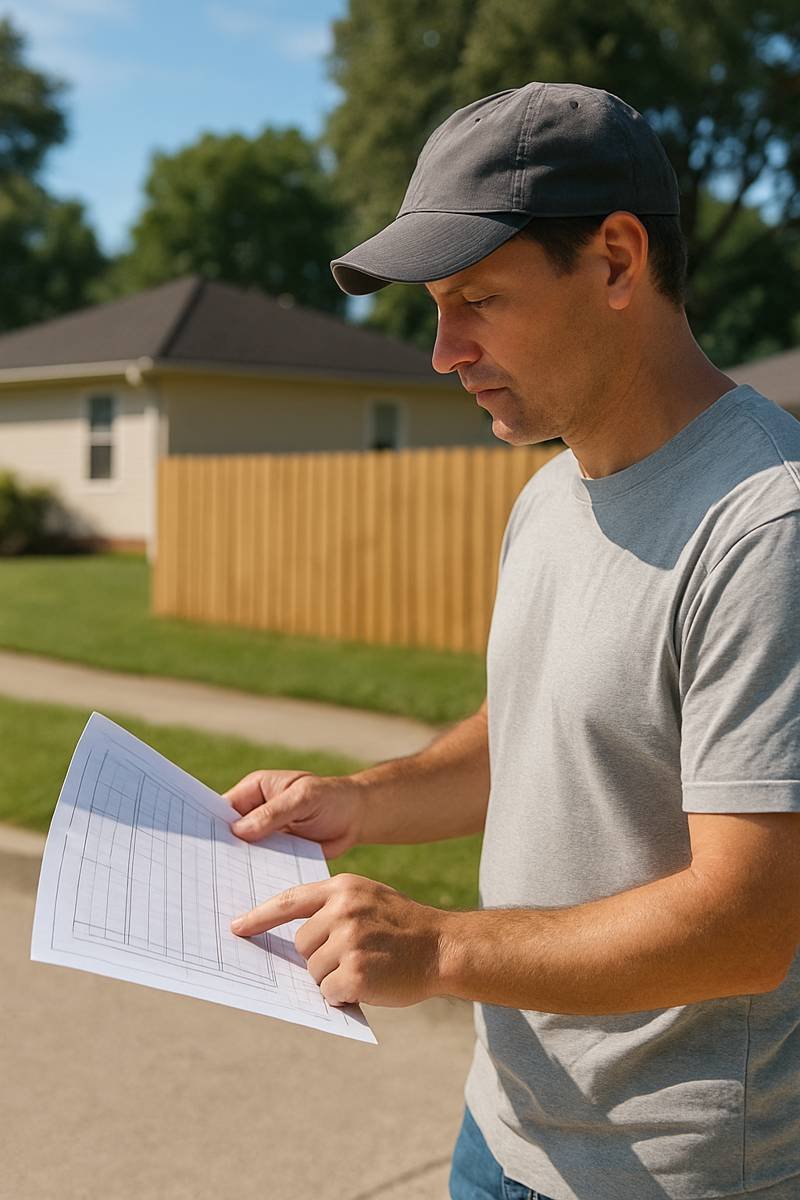
Prepare Your Plans: Most jurisdictions will ask for a simple drawing showing the fence location, dimensions, height, and materials. Include your property lines, house location, and any easements.
-
Submit Your Application: Many areas now offer online permit applications. Submit your form, plans, and any required fees. Fees are usually modest but vary by location.
-
Wait for Approval: Processing times can range from a few days to a couple of weeks. If approved, you’ll receive a permit document that you should keep on hand during installation.
-
Schedule Inspections: Some permits require inspections during or after fence installation to ensure code compliance.
-
Follow Through: Always build according to the approved plans. If you need to make changes, notify the building department first.
Tips to Make the Process Easier
-
Work with Professionals: Tony’s Fencing and Iron Works is familiar with Southeast Louisiana’s permitting process and can help design your fence to meet local codes.
-
Know Your Neighbors: Talk to neighbors before building to avoid disputes, especially if your fence will be close to shared boundaries.
-
Understand Special Zones: If your property is near wetlands, flood zones, or historic districts, check extra rules that may apply.
-
Don’t Skip the Permit: It might seem easier to avoid the paperwork, but permits protect your investment and ensure your fence is legal and safe.
Why Choose Tony’s Fencing and Iron Works?
With over 30 years of experience serving Southeast Louisiana, Tony’s Fencing and Iron Works knows the ins and outs of fence permits and local codes. Whether you need custom ornamental iron gates, durable farm fencing, or a privacy fence, we guide you through the permit process and build fences that last in our humid, often challenging climate.
Call us today at 985-703-0595 to discuss your fencing project and get started the right way!
Ready to Build or Replace Your Wood Fence?
Contact Tony’s Fencing and Iron Works today for a free estimate on cedar or pine fencing. We’ll walk you through your options and ensure your fence is built to last—rain or shine.
📞 Call us at 985-703-0595
🌐 www.tonysfencingandiron.com