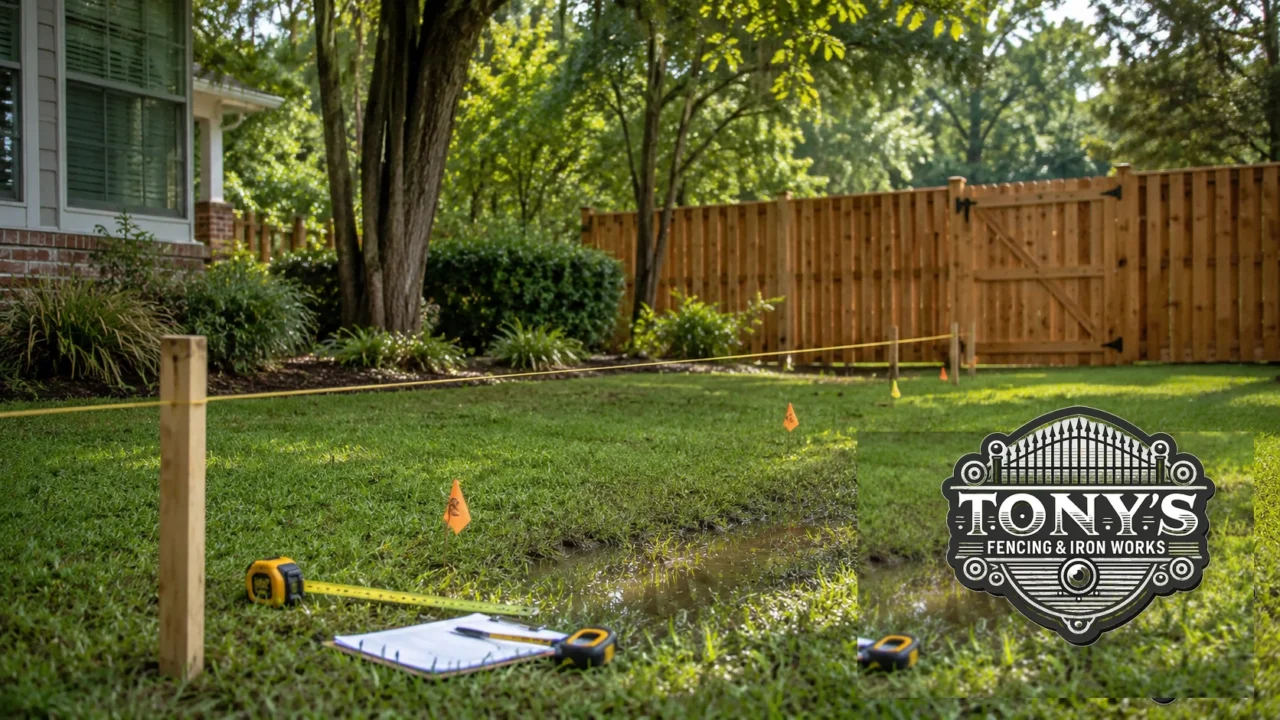
Planning a New Fence in Southeast Louisiana
Fence Installation Checklist for Louisiana Homeowners: 7 Things to Do Before Building
A fence installation checklist Louisiana homeowners can use should start before anyone digs a post hole. Whether you are planning a privacy fence in Covington, a new gate in Mandeville, farm fencing near Ponchatoula, or a backyard upgrade in Slidell, a little planning can prevent expensive surprises later.
In Southeast Louisiana, fence projects deal with more than layout and curb appeal. Heavy rain, soft soil, buried utility lines, drainage paths, neighborhood rules, property boundaries, and gate access all matter. The best fence is not simply the one that looks good on installation day. It is the one that fits your property and continues to work when Louisiana weather does what Louisiana weather does.
Quick Answer
Before building a fence in Louisiana, confirm your property line, call 811 before digging, consider drainage, choose the right material, plan gate access, check local requirements, and work with an installer who understands wet soil and storm-season conditions.
1. Confirm Your Property Line Before Planning the Fence
One of the most common fence problems begins with a simple assumption: “I know where the property line is.” A row of trees, an old fence, a neighbor’s landscaping, or a worn survey marker may look like a boundary, but none of those automatically proves where the line is.
Before installing a fence, review your survey, plat, or closing documents. If there is any uncertainty, it may be worth speaking with a licensed surveyor before materials are ordered. This is especially important when a fence will be close to a neighboring driveway, drainage ditch, utility easement, wooded lot line, or commercial property.
A clear boundary helps prevent disputes and makes it easier to decide whether the fence should sit directly on the line, slightly inside your property, or be built as a shared project with a neighbor.
Helpful tip:
Do not assume an existing damaged fence was installed in the correct location. Older fences are often replaced in the same spot without anyone verifying the boundary first.
2. Call 811 Before Fence Posts Go Into the Ground
Fence posts, gate posts, decorative columns, and corner braces all require digging. That means every fence installation checklist Louisiana homeowners use should include a utility locate request.
Louisiana 811 is a free service that helps notify utility companies before digging begins. Markings can help identify approximate locations of public underground utilities that may be near your planned fence line. Even a small backyard fence can cross areas with electrical, gas, water, cable, or communication lines.
Visit Louisiana 811’s homeowner information page or dial 811 before excavation starts. This simple step can help prevent a dangerous utility strike, a repair bill, or a major project delay.
3. Look at Drainage Before Choosing the Fence Layout
Water is one of the biggest factors in fence performance across St. Tammany Parish and Southeast Louisiana. A fence that blocks a natural drainage route, sits in a consistently soggy area, or has posts surrounded by standing water can develop problems faster than expected.
Walk the property after a heavy rain when possible. Notice where water collects, where it leaves the yard, and whether the ground near the planned fence line stays soft. Pay close attention to low spots, swales, culverts, downspout discharge areas, ditches, and the edges of driveways.
Drainage does not always mean a fence cannot go in a certain spot. It simply means the layout, post installation, material selection, and spacing should be planned with the site in mind.
Signs Drainage Needs Attention
Standing water, soft soil, washed-out mulch, leaning old posts, erosion, or gates that drag after rain.
Why It Matters
Wet conditions can affect post stability, gate alignment, wood longevity, and how the fence handles seasonal soil movement.
For more on moisture-related fence concerns, read our guide on why a fence gate may not close after summer rain in Southeast Louisiana.
4. Choose a Fence Material That Fits Your Property and Lifestyle
The right fence material depends on what you need the fence to do. Privacy, pets, security, curb appeal, pool safety, maintenance expectations, and budget all influence the decision.
Wood fencing remains a popular choice for privacy and classic Louisiana backyard style. Pine can be a practical option for many homeowners, while cedar is often selected for its natural appearance and resistance to insects and decay. Vinyl may appeal to homeowners who want a consistent finished look with less routine upkeep. Ornamental iron and aluminum fencing can provide visibility, security, and a more open feel around front yards, pools, and landscaped properties.
The key is choosing materials that fit both the look of your home and the way you actually use the property. A family with dogs may need a different layout than a homeowner creating a pool enclosure or a rural property owner planning livestock fencing.
Start Here Based on Your Main Goal
Privacy: Wood or vinyl privacy fencing.
Pets: Wood, chain link, vinyl, or aluminum depending on the animal and yard layout.
Security and curb appeal: Ornamental iron, aluminum, custom gates, and decorative columns.
Large acreage or livestock: Farm fencing designed around the property’s specific needs.
5. Plan Gate Placement Before the Fence Is Installed
A gate is one of the most-used parts of a fence, so it should never be an afterthought. Think about how people, pets, lawn equipment, garbage cans, vehicles, boats, trailers, and service crews will move through the space.
Ask practical questions before installation:
- Will a mower, ATV, or utility trailer need access to the backyard?
- Should the gate swing inward or outward?
- Will rainwater, roots, or uneven ground affect the gate area?
- Would a double gate make future projects easier?
- Do you need a driveway gate for added convenience or security?
Tony’s Fencing & Iron Works can help homeowners plan custom gates and gate layouts that make sense for how the property is used now and later.
6. Check Local Requirements Before Building
Fence rules can vary by parish, city, neighborhood, subdivision, flood zone, and homeowner association. Height limits, front-yard placement, corner-lot visibility, pool safety requirements, permit needs, and drainage considerations may all apply depending on where the property is located.
Homeowners in unincorporated St. Tammany Parish can review permit and inspection information through the St. Tammany Parish Department of Permits and Inspections. Properties inside Covington, Mandeville, Slidell, Madisonville, or another incorporated area may have their own local requirements.
For a deeper look at planning around approvals, read why your fence may need a permit in Southeast Louisiana.
7. Choose an Installer Who Understands Louisiana Soil and Weather
Fence installation is not just about setting posts in a straight line. In Southeast Louisiana, installers need to consider wet soil, shifting ground, heat, rain, drainage, wind exposure, material performance, and gate function.
A professional consultation can help you identify issues before construction begins. That may include discussing the fence line, measuring the property, reviewing gate needs, recommending materials, and creating a layout that works with the land instead of fighting it.
Ready to Plan Your Fence the Right Way?
Tony’s Fencing & Iron Works installs custom wood, vinyl, chain link, ornamental iron, farm, pool, and gate fencing across Southeast Louisiana.
Fence Installation Checklist Louisiana Homeowners Can Save
☐ Review your survey or confirm your property line.
☐ Call 811 before digging.
☐ Check the yard after rain and identify drainage paths.
☐ Choose a material based on privacy, maintenance, pets, safety, and style.
☐ Decide where gates should go and how wide they need to be.
☐ Check parish, city, HOA, and permit requirements.
☐ Schedule a professional estimate before ordering materials.
Frequently Asked Questions About Fence Installation in Louisiana
Do I need a permit to build a fence in Louisiana?
Permit rules depend on your location and fence design. Louisiana does not use one statewide fence permit rule. Instead, cities, parishes, neighborhoods, HOAs, pool areas, and historic districts may set their own requirements. Check local rules before your project begins.
What is the legal fence height in Louisiana?
Local regulations determine legal fence height. Many residential backyards allow privacy fencing near 6 feet tall, while front-yard fences often need to remain shorter for driver visibility. Your city, parish, or subdivision can confirm the exact limit for your property.
Can I build a fence directly on my property line?
Start by confirming the boundary with a survey or reliable property documents. A survey helps prevent homeowners from placing a new fence on a neighbor’s lot or within an easement. Talking with your neighbor before construction can also avoid confusion when the fence sits close to the line.
Does my neighbor have to pay for half of a fence in Louisiana?
Neighbors do not automatically share fence costs. An agreement between both property owners should cover placement, material, appearance, payment, and future maintenance. A clear conversation before installation protects everyone involved.
How close can a fence be to my neighbor’s house or driveway?
Property lines, setbacks, easements, drainage paths, and sightline requirements all affect fence placement. Corner lots and driveways often need extra attention because tall fences can limit visibility for drivers. A professional layout can spot those concerns early.
Should the good side of a fence face my neighbor?
Most homeowners face the finished side toward neighboring properties and the street for a cleaner appearance. HOA guidelines, gate placement, and fence style may affect that decision. Shadowbox and board-on-board styles offer an attractive finish from both sides.
What is the best fence for privacy in Louisiana?
Wood privacy fencing remains a popular choice because it creates separation, fits many home styles, and offers flexible design options. Vinyl privacy fencing also works well for homeowners who want a uniform appearance with less routine upkeep. Your budget, drainage, maintenance preferences, and privacy goals should guide the final choice.
Is cedar or pine better for a Louisiana fence?
Pressure-treated pine offers a practical, popular option for many Louisiana privacy fences. Cedar brings a distinct natural look and naturally resists insects and decay. Both materials can perform well when installers use proper methods and homeowners maintain the fence over time.
How long does a wood fence last in Louisiana?
Weather, soil moisture, drainage, installation quality, and maintenance all influence a wood fence’s lifespan. Homeowners can extend its useful life by sealing or staining it, repairing loose boards quickly, and keeping vegetation from trapping moisture against the fence.
How much does a new fence cost in Louisiana?
Fence pricing changes based on footage, material, height, gates, terrain, demolition needs, post requirements, and decorative details. A professional estimate gives homeowners a much more accurate number than general online price ranges.
Do I need to call 811 before installing a fence in Louisiana?
Yes. Fence installation requires digging for posts and gates, so contact Louisiana 811 before excavation begins. Utility markings help identify approximate locations of public underground lines near the planned fence area.
Can a fence be installed in wet or muddy Louisiana soil?
Wet ground can affect post stability, gate alignment, installation access, and the overall work schedule. An experienced contractor can evaluate drainage, standing water, soil softness, and the planned fence line before recommending the best approach.
Why does my fence gate drag after heavy rain?
Heavy rain can soften the ground and shift conditions around fence posts. Sagging hinges, loose hardware, settling posts, or an uneven opening can also cause a gate to drag. Early repairs help prevent larger alignment issues later.
What type of fence is best for dogs?
Your dog’s size, behavior, and jumping ability should guide the choice. Privacy fencing can reduce distractions, chain link provides visibility and durability, and aluminum fencing creates an open look around contained areas. Smaller dogs may need tighter spacing, while athletic dogs may need more height and stronger gates.
What type of fence is required around a pool in Louisiana?
Local jurisdictions set pool barrier requirements, which often include minimum height standards, limited gaps, and self-closing, self-latching gates. Plan pool fencing around current safety rules before installation begins.
Can I install a fence during hurricane season?
Fence projects can move forward during hurricane season, although rain, saturated ground, wind, and storm forecasts may affect scheduling. Strong posts, quality materials, and a layout that fits the property all help prepare the fence for Louisiana weather.
How long does it take to install a fence?
Project size, material, gate count, terrain, weather, permitting, demolition, and custom work all affect installation time. Smaller residential fences may move quickly, while larger, more detailed, or custom gate projects need additional planning.
Should I repair or replace my old fence?
Repairs often make sense when damage affects only a few boards, pickets, hinges, or sections. Replacement may provide better long-term value when rot, leaning posts, storm damage, or repeated repairs affect most of the fence line.
Serving Southeast Louisiana
Tony’s Fencing & Iron Works proudly serves Covington, Mandeville, Madisonville, Slidell, Ponchatoula, Hammond, and surrounding communities with custom fence installation, repair, gates, iron work, and more.